 author
What Is a Floor-Standing LCD advertising display? Everything You Need to Know
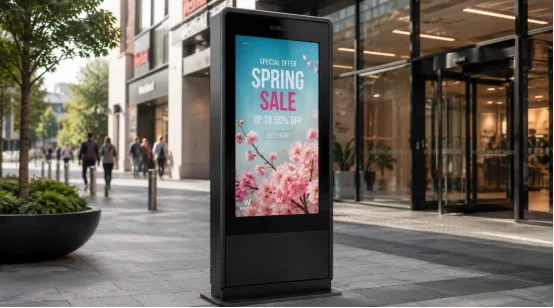
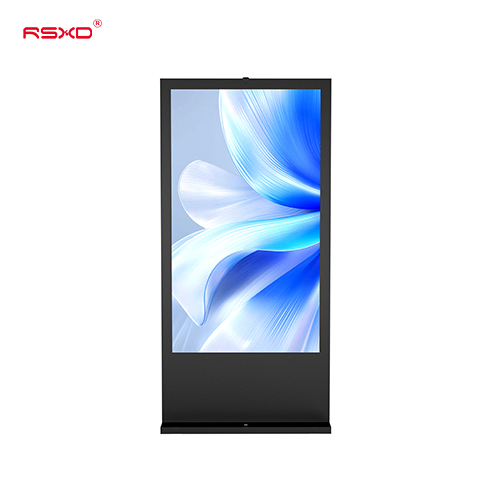
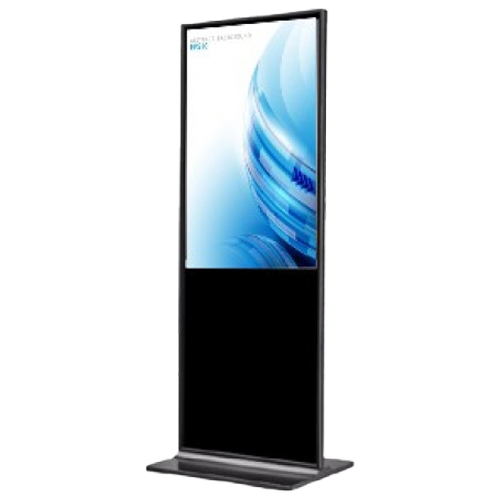
Have you seen a tall screen in a shopping mall or a hospital? That is likely a digital signage totem. It is a large screen that stands on its own. People use it to show ads, directions, or helpful news in public places. You might spot one in a hotel, a school, or a busy airport. It sits right on the floor and does not take up much room. Plus, it puts the message right at eye level so everyone can read it.
This is not like the TV in your living room. A digital signage totem is made for hard business use. It stays on for many hours every single day. It connects to computer programs to get new pictures. It often has a touch screen. It works great in busy spots where machines must not break down.
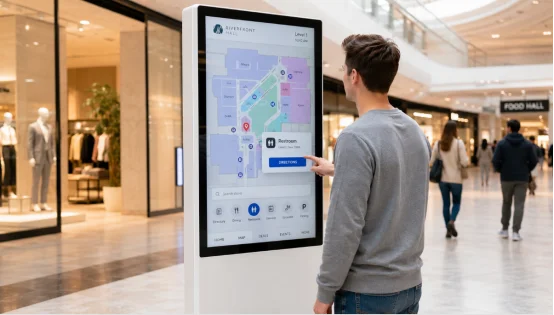
A digital signage totem puts many parts into one tall box. It has a screen, a small computer, special software, and a power plug. The strong case keeps the inside parts safe. It also makes the whole thing look neat and nice.
The main job of this machine is quite simple. You put it where people walk by and need help. Then, you show pictures or words on it. You can change what it shows anytime. You never have to print paper posters again.
The tall screen gets its pictures from a computer inside. It can also use a USB drive or the internet to get new files. What can it show? That depends on the model. It can play fun videos, clear photos, or store maps. It can also show food menus, waiting lines, or facts about products.
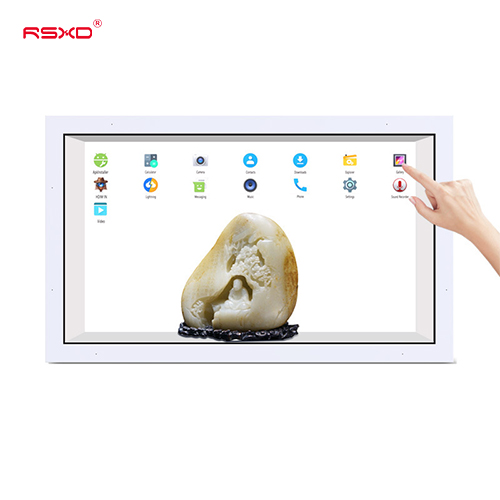
Adding a touch screen makes it even better. People can tap it to find a hospital room. They can look at a list of items to buy. They can even fill out forms or find a map of a big building. Because of this, the machine acts more like a real help desk. It is not just a plain ad board.
A normal TV is just for watching shows at home for a short time. But a commercial LCD display is built for much harder work. It runs for a very long time. It has a much stronger case. It is also easier to fix.
A digital signage totem has special features. You can set it to turn on and off by itself. You can check on it from far away. It has strong glass to stop damage. It usually stands up tall. Also, it uses metal stands made for busy places. It gives you a lot of control over screens in many different towns.
The best spot for it depends on what people need. Some places just want to show a big ad. Other places need a screen where people can tap to find quick answers. A good digital signage kiosk stops people from getting lost. It also saves workers from answering the exact same questions all day long.
In big stores, a floor-standing digital signage display shows sales and new items. It can hold store maps, too. A tall screen looks great near the front door. It catches your eye, but it does not block the walking path.
Touch screens let buyers look at different groups of items. They can check prices or details. A manager can change the pictures for many stores all at once from one computer. This is super helpful for big chain stores.
Hospitals use these screens to show the way. They help sick people find the right desk or see the waiting line. Schools put them up to share class times or sports news. City halls use a self-service information kiosk to help people fill out hard forms step by step.
These places need machines that work perfectly every day. Flashy videos do not matter much here. Big text, bright screens, and simple menus matter the most.
Hotels show room rules, meeting times, and local fun spots. Train stations and airports use very big screens. They show train times, maps, and fast alerts.
Screens outside need to be much stronger than inside ones. An outdoor high-brightness display must be very bright. The brightness is often above 1500 cd/m². It needs special glass so the sun does not ruin the picture. It must handle rain and stay safe in hot or cold weather. Workers must check the seals, the grounding wire, and the cooling fans before they set it up.
The outside box might look the same from different shops. But the parts inside can be very different. Check your exact needs before you pick a screen size or a box shape.
Business screens come in many sizes. They start from a small 10.1-inch size and go all the way up to huge 120-inch sizes. For a hotel front room, a 43-inch or 55-inch tall screen is usually great. A huge train station needs a much bigger screen so people can read it from far away.
The screen light must match the room. Indoor screens need just the right light so they do not hurt your eyes. Outdoor screens need powerful light. They should change their own light when the sun goes down.
Ask the seller what kind of touch screen it uses. Is it infrared, capacitive, or optical touch? Fast touch works best for maps and forms.
You should also check the internet plugs. Look for an HDMI plug and a USB port. Check for Wi-Fi and remote control tools. If you buy fifty screens, you want to change them all from your home. This saves you from driving to every single screen.
A business screen might stay on all day and night. So, it must cool down well. Good parts matter a lot. Buyers should look for heat tests and touch tests.
Good machines run for at least 48 hours in a very hot room to test them. Outdoor models get tested for freezing cold, heavy rain, and hard shakes. If you treat it right, the screen can run for 50,000 hours. The whole unit will likely last five to eight years.
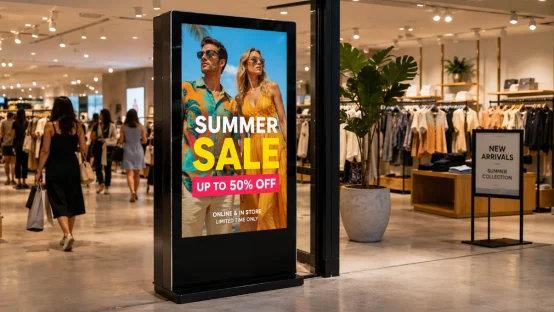
Buying a totem is more than just buying a TV. You might need a special box or a certain computer system. You might need help putting it up. RSXD does all these things. They design, build, test, and fix these machines.
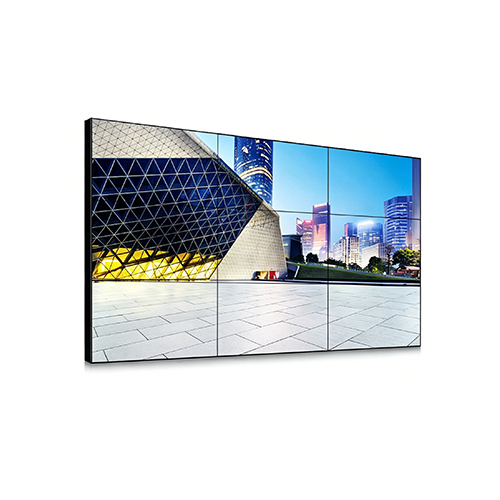
They make screens from 10.1-inch to over 120-inch sizes. They build floor-standing advertising machines, touch kiosks, and outdoor high-brightness models. They also make video walls and self-service terminals. They can change the size or color to fit your exact building.
They follow strict rules for quality based on ISO9001. Their items have CCC, CE, FCC, and RoHS marks. They test every single screen before putting it in a box to ship.
For big jobs, RSXD gives you the machine and the software. They help set it up and teach you how to use it. They can fix bugs from far away. That is very important when your screen sits at a busy door and needs to work every day.
Q1: What is a digital signage totem used for?
A: People use it to show ads, maps, and news. It holds food menus, schedules, and helpful facts in stores or public spots.
Q2: Can a digital signage totem work without touch?
A: Yes. Many screens do not have touch. They just play fun videos and pictures. But touch screens are better for maps and forms.
Q3: Is a digital signage totem suitable for outdoor use?
A: It can be. But you must buy a model with very high brightness. It must keep out the rain and survive extreme heat and cold.
Q4: How long does a commercial digital signage display last?
A: If you clean it often, the screen will last for 50,000 hours at least. The machine itself usually works well for five to eight years. You can swap out old parts, too.
Q5: Can one person manage several digital signage totems?
A: Yes. With remote computer tools, one person can change the pictures on many screens. They can fix small problems without leaving their desk.