 author
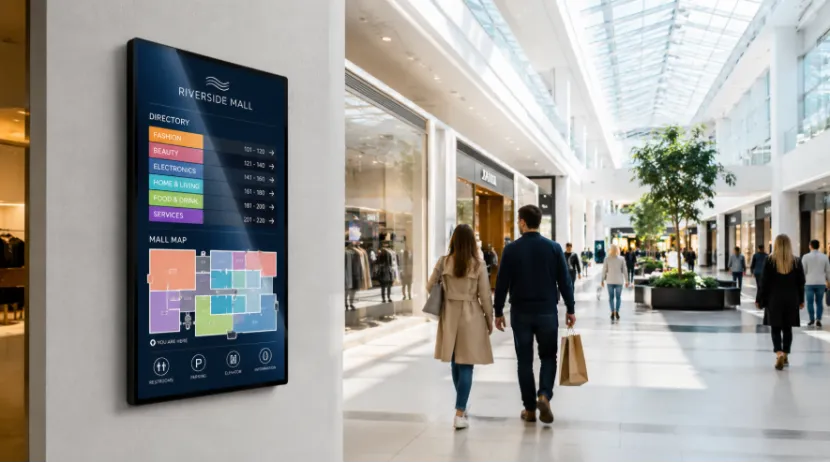
Shopping mall walls sit beside entrances, elevators, food courts, and corridors. Here, visitors pause or change direction. Smart wall mounted digital signage solutions transform these surfaces into valuable media. They achieve this without blocking walkways.
You require more than a basic video screen. Dependable digital signage for shopping malls must fit securely. It must stay perfectly clear under bright lighting. Quick updates and simple upkeep are also vital.
A single commercial wall mounted LCD advertising display handles everything. It efficiently showcases promotions, maps, notices, videos, scrolling text, and scheduled content from one compact spot.
A good system solves daily operating problems first. Shopping mall digital signage can replace printed posters, reduce manual updates, support tenant campaigns, and give visitors clearer information.
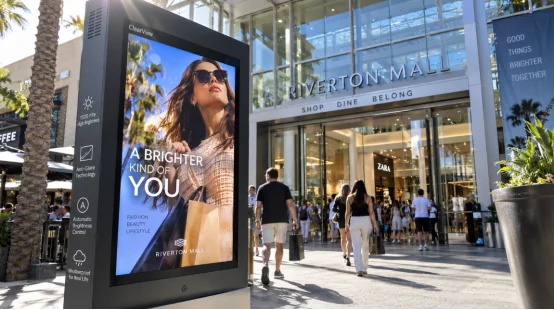
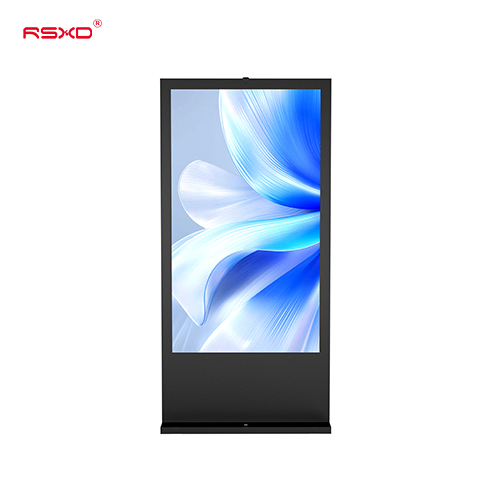
A commercial wall mounted display keeps busy aisles open and reduces the risk of equipment being moved or bumped. For digital signage for mall walls, portrait mode fits fashion ads and directories, while landscape mode suits maps and videos.
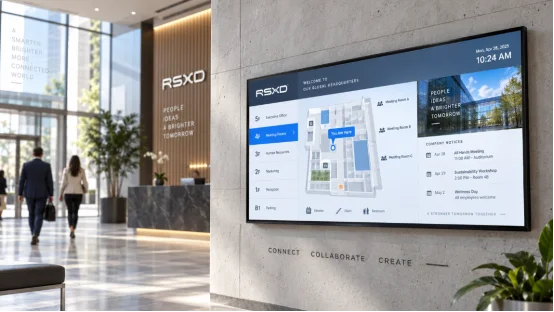
Clear digital wayfinding displays help visitors find stores, toilets, exits, and parking links. A mall directory digital signage screen can show a floor plan, while an interactive mall directory adds store search. Mall advertising displays and shopping mall advertising screens can also carry tenant promotions and paid campaigns, creating a practical shopping mall advertising solution.
Placement should follow customer movement. Look for places where people slow down, wait, turn, or make a choice. The best shopping mall wall displays become visible before the shopper reaches that point.
Entrances suit event information. Corridors work well for a wall mounted advertising display, especially near major tenants or route changes. Elevator lobbies suit floor guides because people naturally face the wall while waiting.
Food court screens can show offers and queue notices. Service areas need maps and membership details. Parking connections may require high brightness digital signage where daylight enters through glass doors. Even indoors, brightness can make or break readability.
No single product fits every wall. Your choice depends on viewing distance, available space, content, light level, and whether visitors need touch control. Strong mall digital signage solutions often combine several formats.
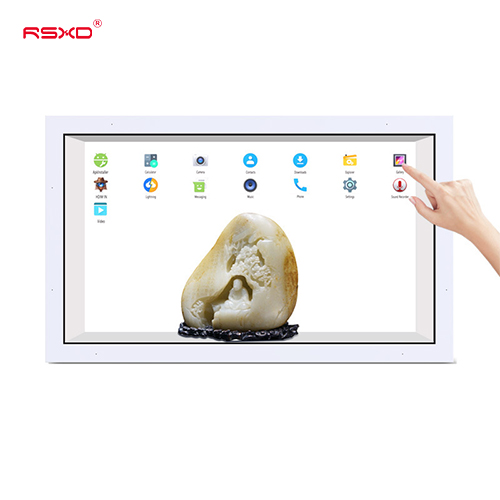
A commercial digital signage display should support long operating hours, horizontal or vertical mounting, common media formats, and stable playback. Touch screens fit wayfinding, membership queries, and coupon collection.
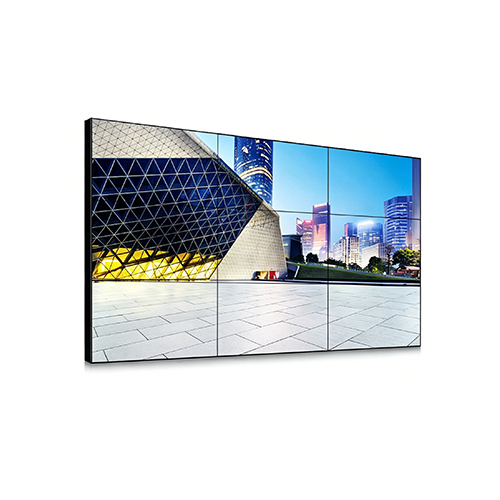
A video wall for shopping malls suits atriums, event zones, and major entrances. A shopping mall video wall needs a proper frame, signal plan, cooling space, and service access. It looks impressive, yes, but only when maintenance is planned before the wall is closed.
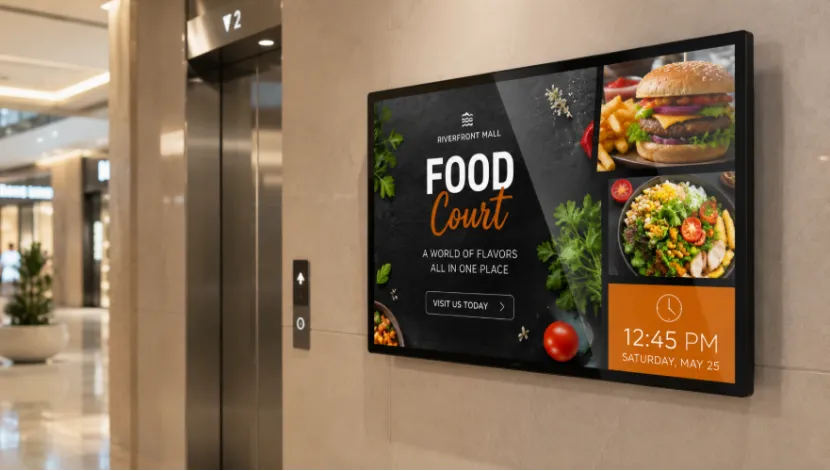
A specification sheet must connect to the site. High resolution will not fix glare, weak wall structure, poor cable access, or software that staff dislike using.
Commercial advertising displays may provide 1080P or 4K resolution, a 178-degree viewing angle, indoor brightness around 300 to 500 cd/m², and continuous 24/7 operation. Some configurations list service life at 50,000 hours or more. Choose brightness according to nearby glass and viewing distance.
A wall mounted digital signage network may use USB playback for one or two screens. Larger projects benefit from a mall digital signage CMS. A digital signage content management system can group screens, schedule playlists, publish files, and control permissions. Remote digital signage management lets your team update many displays without walking through the mall with a USB drive.
Safe digital signage installation starts with wall load, bracket type, power, network cabling, ventilation, and repair space. A standard wall mounted display installation may use a matched bracket and expansion screws, while decorative walls need a site-specific plan. Leave access to ports and power controls.
Content should match place and time. The same playlist on every screen often wastes good locations. Effective shopping mall digital signage solutions separate mall-wide messages from zone-level campaigns.
Use breakfast offers near cafés, event reminders near entrances, tenant ads in related retail zones, and parking messages late in the day. Split-screen layouts can combine a main video with text, time, weather, or a QR code.
Use large type, clear contrast, short videos, and one main idea per screen. Directions should not disappear behind animated ads. A faded paper notice taped beside a 4K screen looks odd; shoppers do notice small things like that.
Your supplier should discuss wall conditions, screen size, content updates, quantity, packaging, and after-sales support before quoting. Price matters, but stable delivery and practical support usually matter longer.
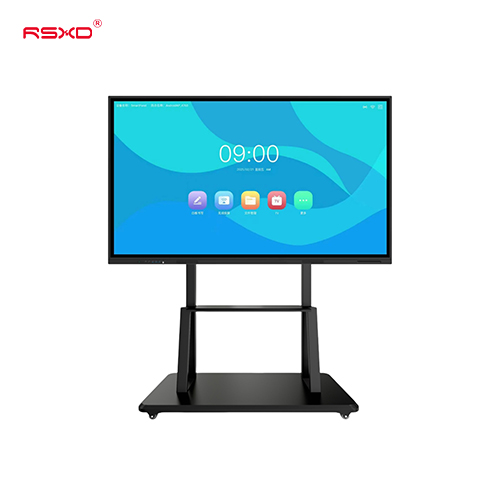
RSXD is a commercial digital signage manufacturer covering R&D, design, production, customization, sales, and service. Its range includes wall-mounted advertising screens, touch kiosks, LCD video walls, high-brightness displays, and related commercial equipment. Solutions span roughly 10.1 inches to 120 inches and above, with hardware, software, installation, commissioning, and maintenance support.
Production includes sheet-metal work, electronic assembly, software setup, testing, and aging. Finished units undergo at least 48 hours of high-temperature aging, with checks covering brightness, contrast, color consistency, power stability, interfaces, structure, and heat dissipation. The company follows ISO 9001 quality management, and listed product certifications include CCC, CE, FCC, and RoHS.
As a wall mounted digital signage manufacturer, RSXD can adjust size, system, touch, brightness, housing, interfaces, logo, and packaging for custom digital signage solutions.
These five questions cover common concerns before a mall display project is approved.
Q1: What Screen Size Works Best for a Mall Corridor?
A: Choose by wall width and viewing distance. Screens from 43 to 55 inches suit many corridors, while larger areas may need 65 inches or more.
Q2: Can One System Manage Screens on Several Floors?
A: Yes. Network publishing can group displays, schedule local playlists, and send mall-wide notices through one backend.
Q3: Which Operating System Should You Choose?
A: Choose a lightweight media system for standard advertising playback. Select a PC-based system when you need custom software, touch applications, or more complex connections.
Q4: Can the Screen Be Customized for a Specific Wall?
A: Yes. Size, orientation, brightness, touch, housing, interfaces, and mounting details can be adjusted around the site.
Q5: How Do You Choose a Shopping Mall Digital Signage Manufacturer?
A: Check production, testing, certificates, customization, remote software, installation guidance, packaging, and after-sales response. A reliable shopping mall digital signage manufacturer should discuss the real wall and daily workflow before recommending hardware.