 author
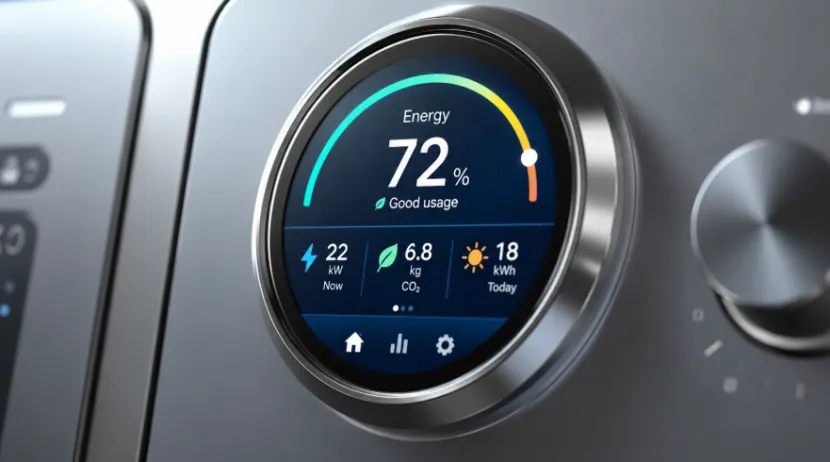
Ordering a custom circular LCD display is a bit different from buying a regular rectangular screen. You are not only checking the price and screen size. You are checking whether the round LCD screen can fit your product structure, show content clearly, run stable every day, and arrive safely after shipping.
For a B2B project, a practical LCD display buying checklist should cover size, resolution, brightness, touch function, system board, interface, housing, installation, OEM round LCD display packaging, and supplier support.
A circular LCD display is usually chosen for a special reason. It may sit inside a retail counter, a museum wall, a smart control panel, a restaurant checkout desk, or an industrial machine. The use case decides almost everything after that.
For retail stores and showrooms, circular digital signage is often used for animated logos, product videos, promotions, and brand decoration. For museums and exhibitions, a round LCD screen can show timelines, exhibit data, or themed content that fits the room design.
In industrial equipment, an embedded circular LCD display may show dashboard data or work as a touch-control interface for operators. A small detail, like whether people view it from the front or from the side, can change the right brightness and viewing angle.
A custom round LCD display should not be selected only by “inch size.” Round screens need more careful checking because the visible area, outer diameter, border, and mounting space all affect the final result.
You should confirm the active display area, outer diameter, thickness, opening size, and mounting depth before sample production. For content with logos, icons, text, menus, or dashboard data, image sharpness matters a lot. A high resolution circular LCD display helps avoid blurry edges and weak text details. Brightness also needs a real scene check. Indoor counters may need moderate brightness, while window areas, strong light showrooms, or semi outdoor spaces may need a high brightness circular LCD display.
RSXD has worked in commercial LCD display equipment since 2014 and focuses on R&D, production, customization, sales, and service. Its product scope covers commercial display hardware, touch interaction systems, video walls, self-service terminals, and customized display solutions.
For buyers who need a custom circular LCD display, the useful part is not only the screen itself, but also the ability to match hardware, software, installation, and long-term operation needs within one project.
Not every round LCD screen needs touch. A logo display in a store window may only need video playback. A meeting room control panel, self-service kiosk, or machine operation panel usually needs touch.
A round touch screen display is suitable when users need to tap, swipe, select menus, or control equipment. A circular touch screen display should be checked for touch accuracy, response speed, glass structure, and software matching. For system choice, simple USB playback works for looped videos and images.
HDMI round LCD screen input is useful when the display connects to a player, computer, or control host. A network publishing circular LCD display is better for chain stores and multi-location projects. If your project needs app-based control, an Android circular LCD display or custom control board can be discussed during the sample stage.
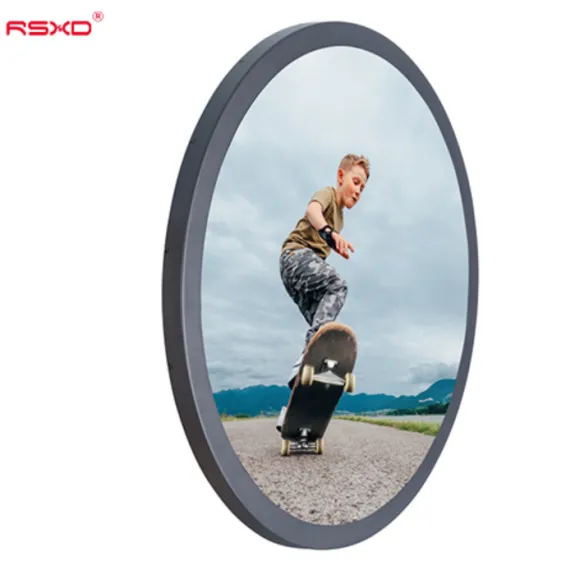
Many B2B problems happen after the screen arrives. The display looks fine, but the cable position is wrong, the bracket does not fit, or the wall opening is a few millimeters off. That is annoying and, frankly, avoidable.
Your custom LCD display interface options may include USB, HDMI, network, control ports, audio, or wireless connection, depending on the project. For an embedded circular LCD display, ask for drawings before placing a bulk order. These should include the round LCD module dimensions, fixing points, cable outlet, cooling space, and front panel design.
Housing also matters. RSXD uses processes such as CNC sheet metal work, laser cutting, bending, welding, grinding, and surface spraying for commercial display structures. This helps the circular LCD display enclosure stay flat, strong, and suitable for retail, exhibition, and equipment integration. For brand projects, custom circular LCD display housing, body color, logo position, and OEM round LCD display appearance design should be confirmed early.
A supplier should be judged by more than product photos. For a B2B circular LCD display order, production control, testing, packaging, and technical support are all part of the real cost.
RSXD’s knowledge base describes a full-process system from R&D and material control to assembly, testing, aging, factory inspection, and packing. Finished machines go through at least 48 hours of continuous high-temperature aging. Tests cover brightness, contrast, color consistency, touch accuracy, power stability, interface compatibility, signal transmission, shell strength, and heat dissipation. Outdoor or high-brightness models may also need extra checks for temperature, waterproofing, dustproofing, and shock resistance.
Packaging should not be treated as an afterthought. OEM round LCD display packaging should include shockproof, moisture-proof, and pressure-resistant materials. Foam cushioning, waterproof film, strong cartons, labels, manuals, and bulk order markings are worth checking before shipment. If the screen has glass, touch layers, and a custom shell, good packaging saves real money.
A reliable custom LCD display manufacturer should also support sample approval, system pre-installation, parameter calibration, and after-sales help. Before you approve mass production, ask for the sample test result, product drawing, interface list, packaging method, and clear quality standard. That simple list can prevent a lot of back-and-forth later.
Q1: Can a circular LCD display be used as a normal monitor?
A: Yes, in some cases. But a circular LCD display is better for brand display, embedded equipment, circular dashboards, retail decoration, and interactive panels. It is not mainly designed to replace a daily office monitor.
Q2: What is the most important point in a custom circular LCD display order?
A: The most important point is matching. Size, active display area, brightness, touch, system board, interface, housing, and installation must fit the project together.
Q3: Does every round LCD screen need touch function?
A: No. Advertising playback and logo display can use a non-touch circular LCD display. Interactive exhibits, control panels, and self-service projects usually need a round touch screen display.
Q4: What should be checked for OEM round LCD display packaging?
A: You should check shockproof material, moisture protection, carton strength, logo, label, manual, serial number, and bulk shipping marks.
Q5: Why is sample approval important before bulk orders?
A: A sample lets you check the screen size, display effect, touch response, interface, housing, installation fit, and packaging before large-scale production starts.