 author
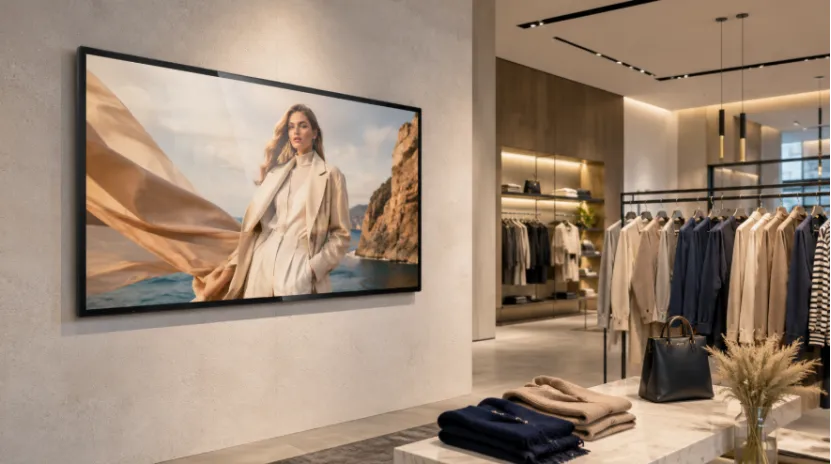
Choosing a wall-mounted digital signage display for a retail store is not just a screen purchase. You are deciding how customers see promotions, prices, new arrivals, and brand messages every day. A printed poster is cheap, sure. But when a weekend sale changes on Friday afternoon, paper suddenly feels slow.
A good retail digital signage display should match your wall space, store lighting, viewing distance, content style, and update method. For boutiques, supermarkets, chain stores, and shopping malls, the right choice can make daily promotion work cleaner and less stressful.
Posters and light boxes still have a place, especially for simple decoration. But digital signage for retail stores gives you more room to change content quickly. That matters in real stores, where prices, campaigns, and product focus shift all the time.
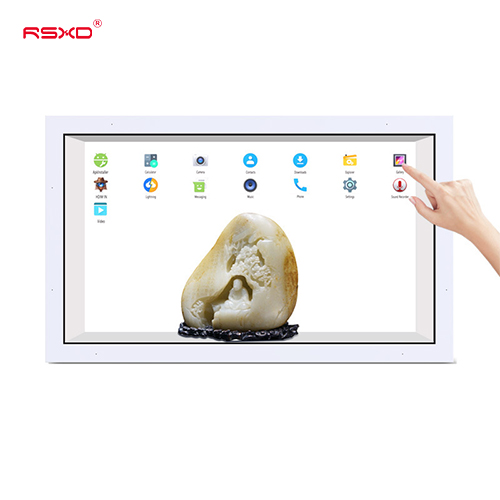
A retail store advertising screen can show product videos, price notices, member offers, and seasonal campaigns without printing new materials. With an LCD advertising display, you can update visual content more often and avoid stacks of outdated posters in the storage room. It is a small thing, but store teams usually notice it.
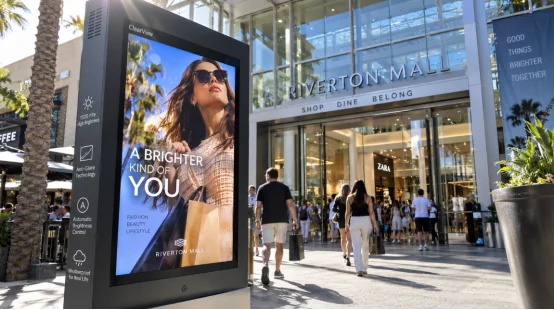
A wall-mounted LCD advertising display keeps aisles open and avoids blocking customer traffic. It works well near entrances, checkout counters, shelves, fitting areas, and service desks. For small boutiques, this is often better than placing another stand on the floor.
Digital signage screen size should follow the viewing distance and the job of the screen. A display near a cashier does not need to be huge. A screen facing a mall walkway probably does.
For close-range viewing, 10.1 inch to 27 inch screens can work well. Use them for product details, QR codes, member notices, shelf-side promotions, and checkout messages. This is a practical choice for digital signage for boutiques or small stores where customers stand close to the screen.
For general promotion, 32 inch to 65 inch is usually the safe middle range. This size group fits fashion stores, convenience stores, cosmetics shops, cafés, and digital signage for supermarkets. It is large enough for videos and product images but not too heavy for most walls.
For longer digital signage viewing distance, larger screens such as 75 inch and above are better. They suit shop entrances, brand feature walls, big supermarket zones, and digital signage for shopping malls. Keep the message simple. Big screens do not need tiny text everywhere.
Digital signage brightness is easy to underestimate. A screen may look bright during testing, then look dull under ceiling lights or near a window. Orientation matters too, because content layout changes how people read the display.
For an indoor digital signage display, RSXD’s advertising display data includes 300 to 500 cd/㎡ for indoor models, with higher brightness options for special scenes. A standard indoor area may not need extreme brightness, but window-facing digital signage display positions should be checked carefully. Sunlight is not kind to weak screens.
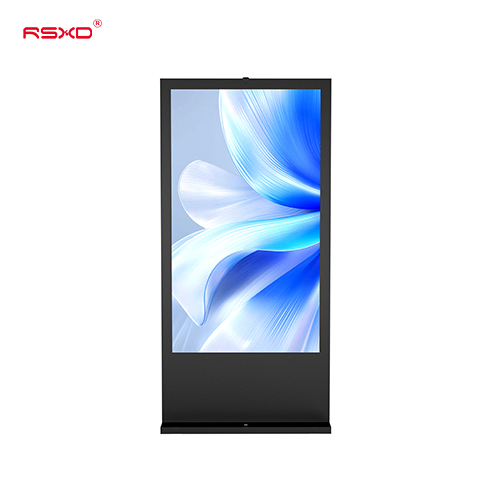
Landscape and portrait digital signage should follow the content. A landscape digital signage display works well for videos, café menus, wide banners, and supermarket promotion walls. A portrait digital signage display is better for fashion looks, beauty products, narrow walls, entrance screens, and product lists. RSXD supports horizontal and vertical installation, which gives retail projects more freedom when store layouts vary.
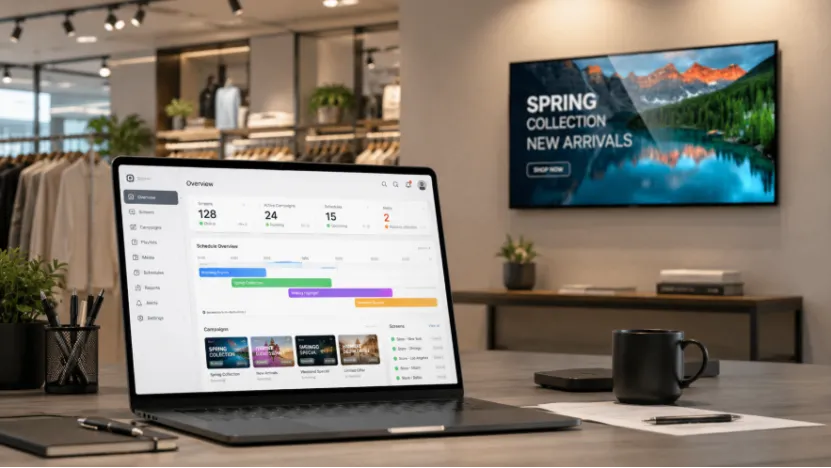
Content updates are another key decision. One store may not need a complex system. But several branches, daily promotions, or central campaign control can change the answer quickly.
USB playback is fine when you have one or two screens and content changes only sometimes. RSXD advertising displays support image, video, document, USB, and TF card expansion, so a small shop can run digital signage content playback without much setup.
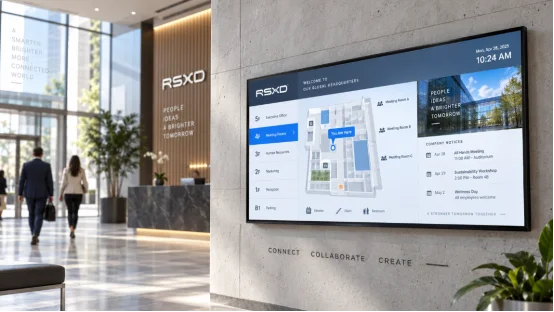
Remote content publishing is better for chain store digital signage. Headquarters can push the same campaign to many screens, manage materials, and reduce staff visits. RSXD systems support remote information publishing, scheduled power on and off, split-screen display, batch device management, terminal monitoring, material push, and fault troubleshooting. That sounds technical, but the daily value is simple: fewer calls asking, “Did that screen get updated?”
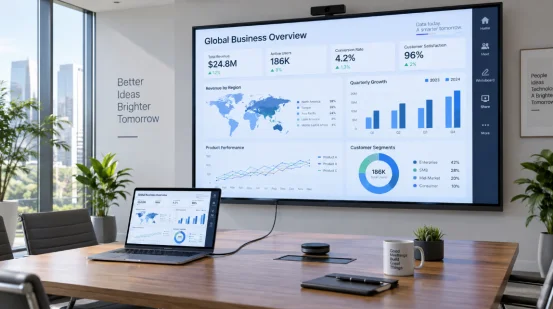
A commercial digital signage display should be checked beyond its front appearance. You need to look at resolution, system, wall conditions, content format support, network connection, and installation accessories.
RSXD display options include 1080P and 4K, with a 178° viewing angle and models supporting Android 9.0/11.0 or Windows system customization. An Android digital signage display is usually enough for standard retail playback. A Windows digital signage display suits more complex software or custom projects.
Digital signage installation height should match eye level and traffic flow. Also check power access, wall strength, bracket type, wiring path, and maintenance space. These boring details save trouble later.
RSXD is a commercial LCD display manufacturer focused on hardware, software, production, customization, and service. Since 2014, its team has worked in commercial display equipment, including advertising machines, touch kiosks, video walls, teaching displays, and customized terminals.
Its own production base covers sheet metal processing, electronic assembly, software debugging, aging tests, packaging, and after-sales support. For retail buyers, this means one supplier can discuss screen size, appearance, system, remote management, installation, and service together, not as separate loose parts.
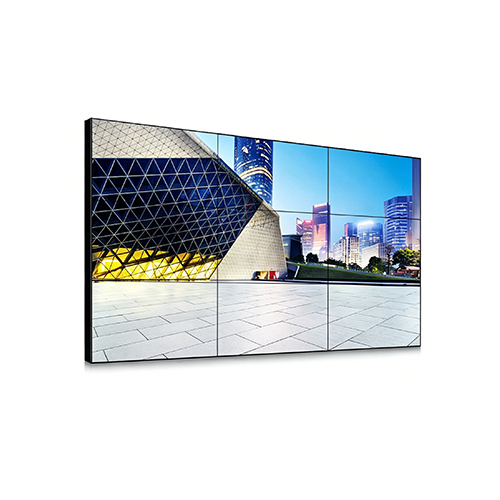
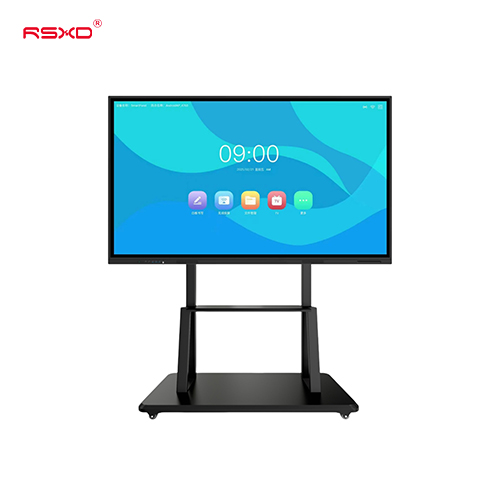
An RSXD wall-mounted advertising display can support a wide size range from 10.1 inches to 120 inches+, 1080P/4K display, USB playback, remote content publishing, split-screen display, scheduled power on and off, and project-based customization.
As a digital signage display supplier, RSXD also supports custom digital signage solutions for screen size, appearance, system, interface, brightness, touch function, and installation needs.
Q1: What Size Wall-Mounted Digital Signage Display Is Best for a Retail Store?
A: Small counters can use 10.1 inch to 27 inch screens. General promotion areas often fit 32 inch to 65 inch screens. Entrances and large retail walls may need 75 inch or larger displays.
Q2: Is a Commercial Digital Signage Display Better Than a Normal TV?
A: Yes, for most retail use. A commercial digital signage display is better suited for long daily operation, wall mounting, content playback, and business settings.
Q3: Should a Retail Store Choose Landscape or Portrait Digital Signage?
A: Landscape is better for videos and wide promotions. Portrait is better for fashion, beauty, entrance displays, and product lists.
Q4: Is USB Playback Enough for Retail Digital Signage?
A: USB playback is enough for a simple single-store setup. Chain stores or frequently updated campaigns usually need remote content publishing.
Q5: Why Choose RSXD Wall-Mounted LCD Advertising Displays for Retail Stores?
A: RSXD wall-mounted LCD advertising displays support flexible sizes, 1080P/4K, USB playback, remote content publishing, split-screen display, Android or Windows systems, horizontal and vertical installation, and customization for retail projects.