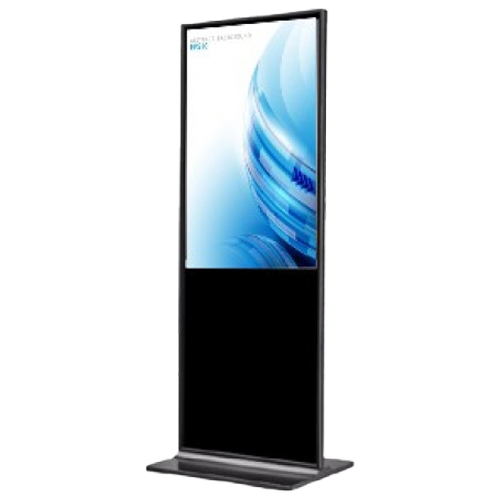
A Comprehensive Analysis of the Manufacturing Process of LCD Touchscreen All-in-One PCs
A Comprehensive Analysis of the Manufacturing Process of LCD Touchscreen All-in-One PCs
author
7th August 2024
2024-08-07 15:06:24
LCD touchscreen all-in-one PCs are multifunctional smart devices widely used in various fields such as education, business, healthcare, and retail. Their core technology lies in the combination of touchscreen technology and LCD display technology. This article will delve into the manufacturing process of LCD touchscreen all-in-one PCs to better understand their manufacturing process and application areas.
Basic Components of LCD Touchscreen All-in-One PCs
An LCD touchscreen all-in-one PC is a multifunctional integrated device that typically includes the following core components:
LCD Display: This is the visual output part of the device, usually a high-resolution LCD screen capable of displaying images and videos.
Touchscreen: The touchscreen is the primary means for users to interact with the device, allowing input based on touch or gestures.
Main Unit: The main unit contains the device’s core processor, memory, and operating system, responsible for managing the device’s functions and performance.
Housing and Stand: These parts provide the external structure and support for the device, making it more stable and easier to place.
Manufacturing Process
The manufacturing process of LCD touchscreen all-in-one PCs is a complex process involving several key steps:
Design and Planning: The first step in the manufacturing process is design and planning. This includes determining the device’s specifications, dimensions, functions, and appearance design. Designers must consider user needs and market trends to ensure the final product meets customer expectations.
Procurement and Supply Chain Management: Manufacturing all-in-one machines requires various raw materials and components, including LCD screens, touchscreens, and electronic components. Supply chain management is crucial to ensuring timely material supply.
Production Assembly: Assembly is the core of the production process. This involves assembling the LCD screen, touchscreen, main unit, and other components to ensure they work together effectively.
Testing and Quality Control: Each LCD touchscreen all-in-one machine requires rigorous testing and quality control. This includes testing the screen’s brightness and color accuracy, the touchscreen’s sensitivity, and the main unit’s performance.
Software Development: Touchscreen all-in-one machines typically require custom software to meet the needs of different applications. This includes operating system customization, user interface design, and application development.
Packaging and Logistics: After completion, the equipment needs to be packaged, and logistics arrangements need to be made to deliver the product to the point of sale or customer.
Market Applications and Prospects
LCD touch screen all-in-one machines have broad application prospects in various industries:
Education: All-in-one machines are widely used in education for interactive teaching, online learning, and educational resource management.
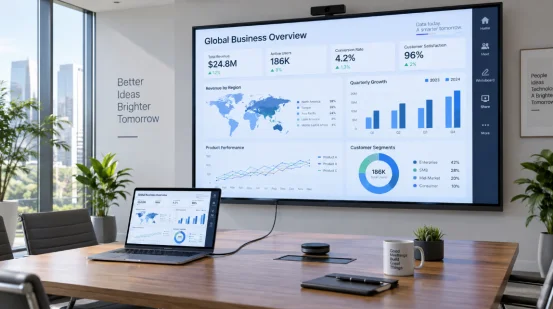
Business Meetings: In the business sector, LCD touch screen all-in-one machines are used for meeting presentations, collaboration, and data sharing.
Healthcare: In the medical field, all-in-one machines can be used for medical record management, patient education, and diagnosis.
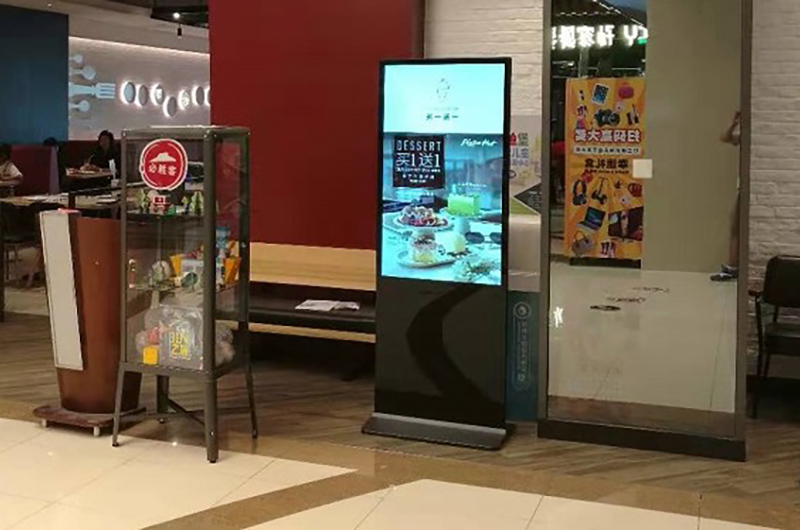
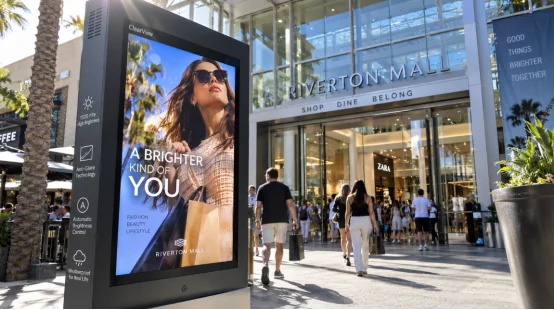
Retail and Advertising: All-in-one machines are used for self-service at retail points, advertising displays, and interactive information.
Entertainment and Media: All-in-one machines also find applications in the entertainment and media sectors, such as interactive billboards and entertainment devices.
LCD touch screen all-in-one machines are multifunctional devices whose manufacturing involves complex processes, including design, procurement, production assembly, testing, software development, and logistics. Due to their wide range of applications, LCD touch screen all-in-one machines have enormous market potential. With continuous technological advancements, this field will continue to create new opportunities and meet the demand for highly intelligent devices across various industries.
We support multiple installation methods, including wall-mounted, floor-standing, vehicle-mounted, and embedded. Different installation methods correspond to different scenarios:
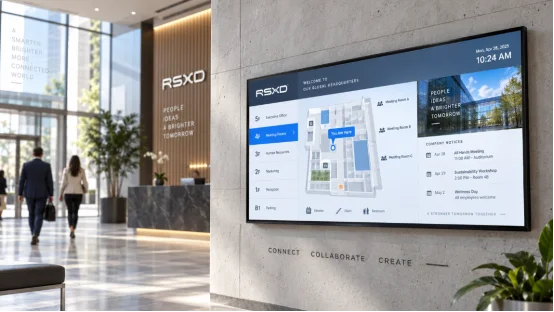
* Wall-mounted: Suitable for building elevators and shopping mall walls;
* Floor-standing: Suitable for store lobbies and showroom entrances;
* Vehicle-mounted: Suitable for public transportation scenarios such as buses and subways;
* Embedded: Can be integrated into self-service terminals, smart cabinets, and other devices.
Currently, we offer two mainstream touch methods:
* Capacitive touch: Supports multi-touch, highly sensitive operation, suitable for lightweight interactive scenarios (such as information kiosks);
* Infrared touch: Strong anti-interference, waterproof and scratch-resistant, more durable, suitable for high-frequency touch and complex environments (such as self-service terminals in public places).
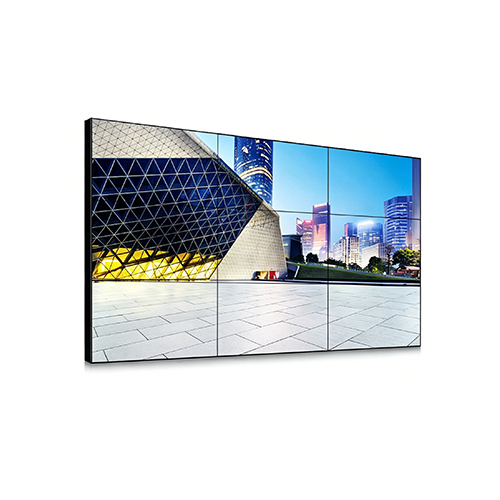
The physical gap of a standard video wall is 0.88mm-3.5mm (slightly different for different models); currently, we offer micro-gap video walls (gap ≤ 0.88mm), visually approaching a "seamless" effect, suitable for monitoring centers, large exhibition hall screens, and other scenarios requiring high display continuity.
The vehicle-mounted advertising machine adopts a shock-resistant and reinforced design, passing vehicle environment vibration tests; it also supports a wide operating temperature range of -20℃ to 60℃, adapting to extreme environments such as high temperatures inside vehicles in summer and low temperatures in winter, and can operate stably in complex road conditions such as buses and trucks.
It supports a variety of external devices, including printers, barcode scanners, ID card readers, cameras, etc.; the equipment has reserved interfaces such as USB and RS232, which can be connected to external devices according to actual needs, suitable for interactive scenarios such as self-service checkout and government affairs inquiries.
Split-screen display is supported. The number of split screens varies depending on the model: the basic model supports 2-4 split screens (such as main video + image + text), while the high-end model supports more than 16 split screens. Customizable split-screen ratios are also supported to meet the needs of displaying multiple contents simultaneously.
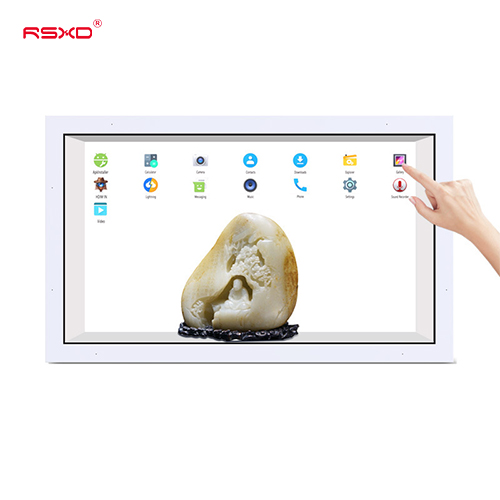
The transparent LCD display combines physical product exhibition with digital content, allowing customers to view the real item inside the cabinet while reading product information, brand stories, technical details, or promotional videos on the transparent screen.
This transparent display creates a layered visual effect. Products remain visible behind the screen, while images, text, videos, and animation can be shown on the front surface. This makes the display more attractive for high-value products, exhibition items, luxury retail, cultural collections, and brand presentation.
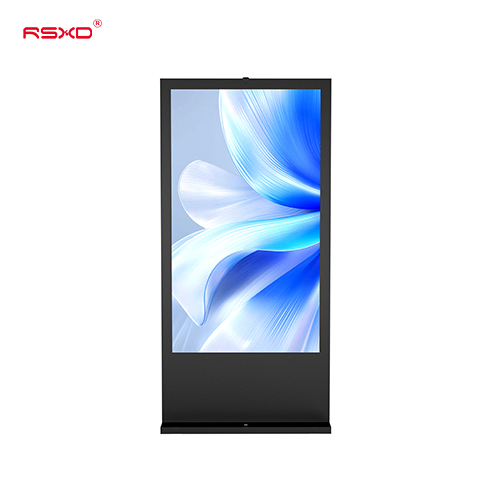
Outdoor vertical digital signage display is a floor-standing LCD advertising solution designed for outdoor public spaces, combining high brightness, IP65 protection, intelligent temperature control, remote content publishing, and durable anti-corrosion housing for 24/7 outdoor advertising.
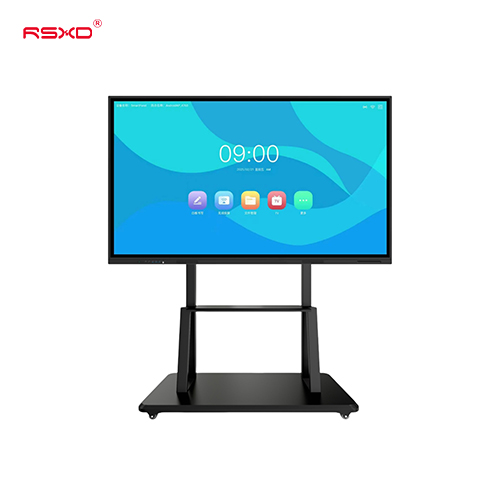
Interactive flat panel display is a smart touch screen solution for classrooms, meeting rooms, training centers, and collaborative workspaces, combining digital whiteboard, wireless screen sharing, annotation, video conferencing, and multi-touch interaction in one device.
Tell us your application, screen size, installation type and touch requirements. RSXD will recommend suitable digital signage, touch displays or video walls with factory pricing and OEM support.

 author