 author

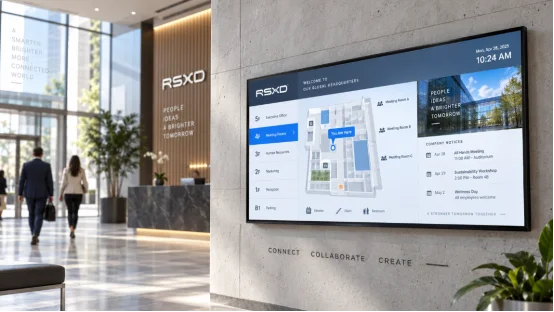
In recent years, the application scope of advertising machines has been continuously expanding, from commercial complexes to government and enterprise halls, from retail stores to public transportation systems, they are becoming increasingly widespread at an astonishing pace. Behind this trend lies the comprehensive evolution of advertising machines in terms of communication efficiency, intelligent applications, and visual experience.
The widespread adoption of advertising machines is primarily due to their efficient information transmission capabilities. Through remote network control, advertising content can be updated and flexibly switched at any time, eliminating the need for businesses to spend significant manpower and time replacing traditional advertisements. Faster information updates and more precise targeting are key reasons for the widespread use of advertising machines.
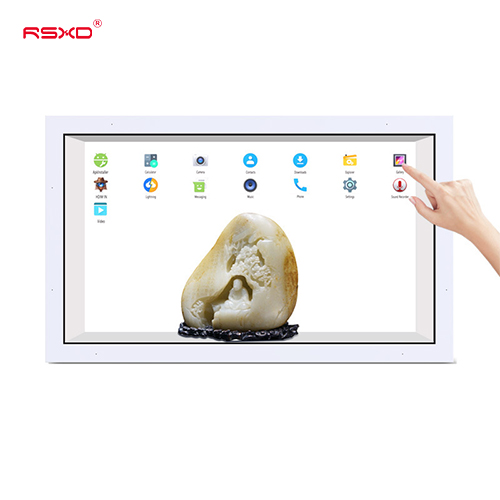
Secondly, the intelligence of advertising machines is one of their core advantages. Modern advertising machines possess functions such as timed playback, pedestrian flow monitoring, and touch interaction, intelligently adjusting playback content according to different audiences and time periods to achieve higher conversion rates.
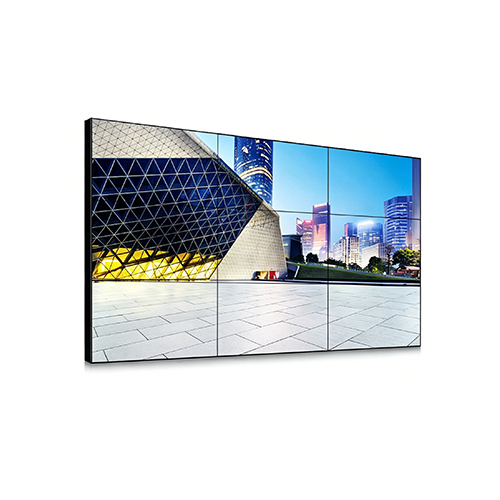
Furthermore, the visual communication effect of advertising machines is highly competitive. High-definition display technology and multimedia playback make the images more vivid, and the combination of static and dynamic presentation makes it easier to capture consumers’ attention. For brands, this is not only a means of promotion but also a way to showcase their image.
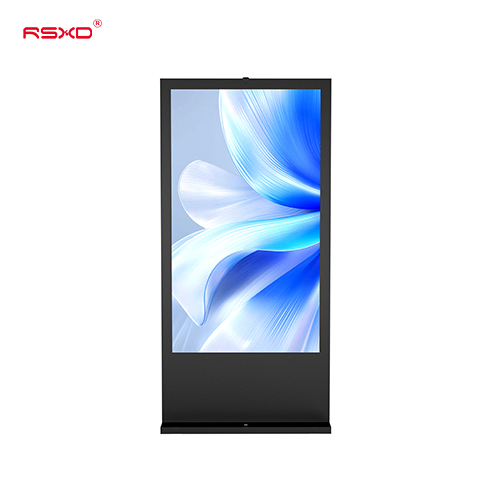
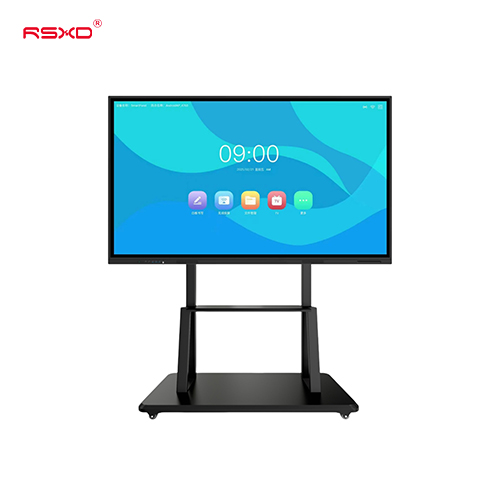
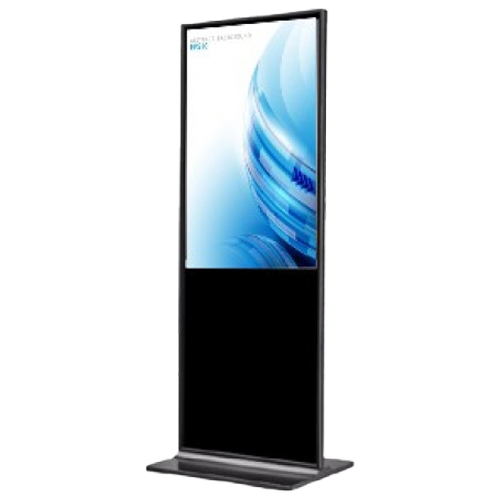
The flexible installation and convenient maintenance of advertising machines are also important factors contributing to their widespread adoption. Whether indoor wall-mounted, floor-standing, or outdoor waterproof, advertising machines can be customized to suit different environments and meet diverse needs.
Furthermore, advertising machines offer excellent economic benefits. A one-time investment allows for long-term use, with low maintenance costs and the ability to repeatedly display different content, significantly improving advertising ROI.
It is foreseeable that with the deepening development of digital commerce, advertising machines will continue to play a vital role in smart retail, public information display, and brand communication. The widespread adoption of advertising machines is not only a result of technological advancements but also a prime example of the power of visual communication.