Industry Solutions

Industry Solutions
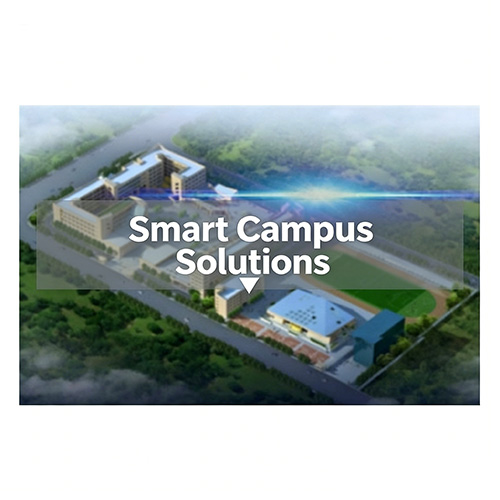
Application Background:Schools are places for cultivating high-level talent for society, and smart campuses are an important future development direction. To better fulfill this mission, schools not only need to impart scientific knowledge to students but also need to promptly disseminate various campus and social information. Traditional blackboards and bulletin boards are gradually becoming inadequate for the increasing volume of information, rapid updates, and unified management of information dissemination. Furthermore, the dissemination methods are often not eye-catching enough, causing students to miss important messages. The application of this advanced technology can not only enhance the school’s image but also provide real-time multimedia content for teachers and students, enriching campus life and achieving efficient campus information dissemination. At the same time, the school’s information technology construction is developing rapidly, and infrastructure such as networks and computer labs have reached a certain level, providing a good foundation for the construction of a campus information dissemination system. The information dissemination system can be built on the existing network foundation, and existing display devices can also be integrated into the system. Significance of the project: Enhances the school’s image and strengthens information communication; facilitates remote training and online learning; optimizes classroom teaching structure and improves teaching quality; adaptable to various school locations; multi-screen display allows for a significant increase in information volume. Operation locations: The main recipients of information on campus include students, teachers, and visitors, with students being the primary audience. Locations with relatively high population density on campus include classrooms, canteens, teaching buildings, administration buildings, libraries, gymnasiums, auditoriums, and dormitories. Installing touchscreen kiosks and LCD advertising displays in these locations ensures the widest possible reach of information. Solution Concept: Management + Service: Focusing on identity recognition applications, a centralized management platform is created. Campus digital signage information publishing terminals can prominently and strategically publish various information in different locations across the school, with unified management and timely dissemination. Campus digital signage can meet the information dissemination needs of various school locations. Combining big data, smart terminals, cloud platforms, mobile internet, and IoT technologies, it enables intelligent early warning, decision support, knowledge management, social networking, campus card applications, and IoT applications. Applying campus digital signage in various school locations allows teachers and students to access the latest information on company employment, teaching, academic forums, and administrative notices anytime, anywhere in these public places. The system provides information on student club activities, work-study programs, etc.; publishes course schedules, exam results, emergency notices, birthday wishes, featured courses, and anecdotes about famous people; and allows for the timely sharing of various campus information. Depending on the situation, news, entertainment, and advertising can also be added, creating a vibrant and personalized platform for campus culture construction. The smart campus will transform school management informatization into comprehensive business informatization, including support for the entire teaching process, support for research activities, logistics management, and life support. It also requires the entire system to shift from “combination and integration” to “integrated innovation,” from management information to collaborative office work, from statistical reports to leadership dashboards, and from one-way publicity to online communities. Solution Features: The campus interactive information publishing system is mainly used on the internal local area network, adopting a two-level structure, namely the “platform + display” mode. System Server: The core of the entire system, responsible for terminal management, program distribution, and program storage. It consists of the interactive information publishing system software’s FTP service software and control management software, as well as server hardware. Production Center: This is the material production room, accessing the server via a browser to upload materials, arrange programs, distribute programs, and manage control terminals. Review Center: This is the unit responsible for reviewing program playback, preventing erroneous content and illegal content from being distributed to terminals. Display Terminals: Located in various areas of the service center, these are used to disseminate information to visiting personnel and to release internal training and learning information, and are equipped with relevant network access lines. Daily Affairs Management: Administrators can log in to the platform via a PC browser on the local area network to perform various operations.
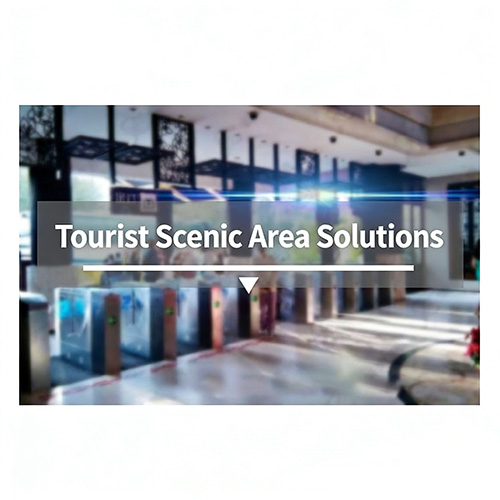
Application Background: How to provide fast and convenient services to tourists? How to present local characteristics and scenic highlights to tourists in a timely and accurate manner? How to establish a safety mechanism to ensure tourist safety? How to understand tourist activity levels for timely command and dispatch? How to manage data related to roads, attractions, and facilities within the scenic area? In the era of the Internet of Things and big data, and with the continuous innovation of various smart hardware, scenic spots of all sizes are showcasing their unique strengths, embracing the internet, introducing new equipment, and operating new technologies to attract more tourists. Under this major trend, smart tourism has emerged! Significance of Development: With social development and the current state of the tourism industry, the market is booming, and service demands are increasing year by year. There is still room for improvement in service quality. To enhance the visibility of tourist attractions, facilitate visitor access, and establish a positive service image, CHISEN has developed a multimedia touchscreen query system to showcase the beauty of scenic spots. During development, the system fully considered the ever-expanding nature of tourism products and the diversity of users. It adopts a universal touchscreen kiosk query system model combined with the characteristics of China’s tourism industry. This system integrates various information needed for tourism, presenting it as a cohesive whole to tourists for convenient use. Operating Locations: At the entrance of the scenic area, in the ticket hall, next to restrooms, in corridors, and within the scenic area itself. Solution Concept: Based on big data analytics, tourists will no longer be blindly following trends in dining, accommodation, and sightseeing; everything will be transparent and accounted for. This will enhance the tourist experience at scenic spots, help them capture online tourism business resources, and upgrade traditional scenic spots into smart scenic spots, thereby increasing their absolute competitiveness. Scenic spot self-service terminals typically consist of a human-machine interface, allowing users to operate according to device prompts. Examples include bank ATMs and subway ticket machines. The invention of scenic spot self-service kiosks has greatly facilitated people’s travel and services, and is considered one of the greatest inventions of the 20th century. In addition, some supermarkets and stores also have scenic spot cash registers, such as coupon printers and bank queuing machines. Scenic spot self-service kiosks are widely used in banks, subways (high-speed rail), and other places where queuing is required. These devices allow users to intelligently conduct various business transactions entirely through computer display terminals (computer system input and output devices). Free Charging in Scenic Areas: Provides free charging for tourists, making travel more convenient. Scenic Area Weather Forecast: Includes air pollution index, temperature and humidity index, and travel suggestions. Scenic Area Map Navigation: Provides on-screen guidance for tourists unfamiliar with the route. Scenic Area Announcements: Includes event announcements, emergency notices, and tourist warnings [no smoking, hygiene information, etc.]. Voice Emergency Notifications: Provides voice broadcasts in case of emergencies and guides tourists to safety. Solution Features: Scenic Area Information Search: Includes scenic area VCD introductions, categorized searches for attractions, hotels, shopping, medical facilities, etc., fuzzy search for scenic areas, attraction information search, and optimal route search between attractions. Comprehensive City Search: Includes search for accommodation facilities, catering facilities, shopping facilities, business facilities, entertainment facilities, tourist routes, travel agencies, and yellow pages. Transportation Route Search: Includes city transportation routes, city bus schedules, and transportation within the tourist area. Local Specialty Search: Includes search for local specialties, famous dishes, and unique tourism products. V. Other features include background music playback control, city VCD presentation, tourism B2B functions, online browsing, digital video recording, and videophone functionality. An interface is reserved for playing video clips. This will allow for the playback of television and video clips from scenic areas in the future. During software design and testing, content can be added, deleted, or adjusted according to the needs of the tourism department without affecting the overall structure.