 author

In the competitive business landscape of the smart era, the power of visual communication is increasingly crucial. As intelligent display devices, advertising machines, with their excellent display effects and ease of management, are becoming standard equipment across various industries. So, what are the reasons for the widespread use of advertising machines? The answer lies in the fact that they are no longer simply display screens, but a powerful commercial tool integrating technology and communication.
The primary reason for the widespread use of advertising machines is the high efficiency and accuracy of information delivery. Compared to traditional printed advertisements, advertising machines enable remote cloud control and instant content updates. Advertisers only need to upload materials in the backend, and the updates can be simultaneously displayed on hundreds of advertising machines nationwide, significantly improving communication efficiency.
Secondly, advertising machines possess extremely high visual appeal. High-definition LCD screens, combined with dynamic images and sound effects, are more impactful than static advertisements, quickly attracting consumers’ attention. Many shopping malls and office buildings use advertising machines to play brand promotional videos, with significantly better results than traditional light boxes.
Thirdly, the addition of intelligent functions is the core driving force behind the development of advertising machines. Modern advertising displays can leverage big data analytics, Wi-Fi probes, and AI algorithms to precisely target different audiences, achieving personalized marketing.
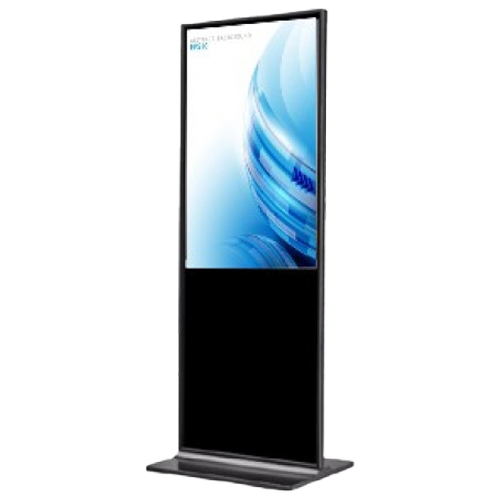
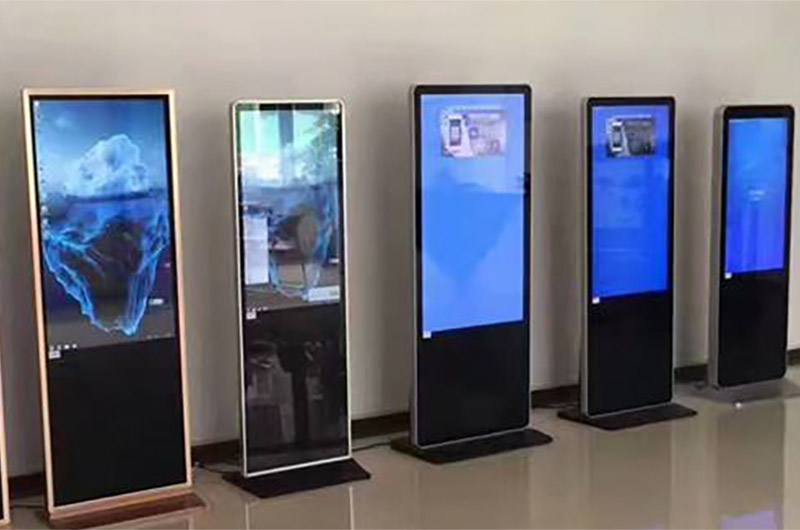
Furthermore, advertising displays offer flexible installation options. Whether it’s a freestanding display at a shopping mall entrance, a wall-mounted display in a subway tunnel, or a waterproof outdoor display, each can achieve optimal communication results depending on the environment.
Finally, advertising displays have become a new medium for brand image communication. They not only display advertisements but also play news, weather, and navigation information, providing users with more value and enhancing the brand’s interactive experience.
In short, the widespread adoption of advertising displays stems from their integration of intelligence, visual impact, data analysis, and flexible deployment, making them an indispensable tool for commercial communication in the smart era.