 author
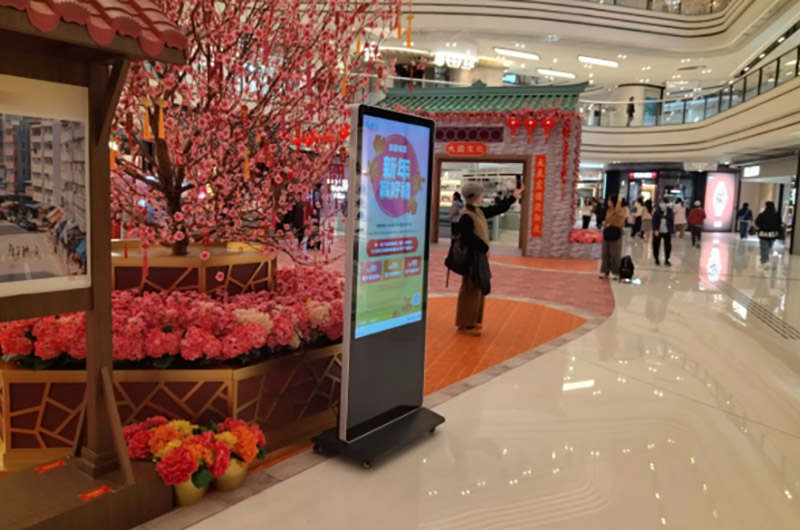
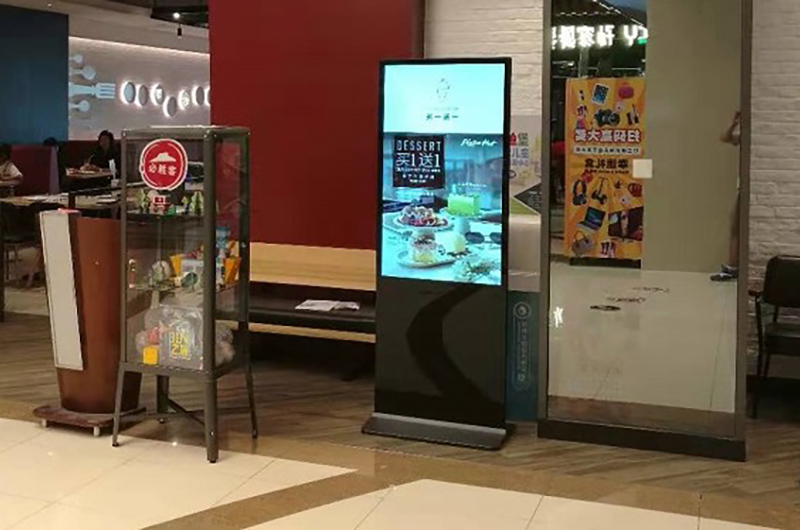
Whether you walk into a shopping mall, subway, airport, or hospital lobby, you’ll see advertising machines everywhere. They quietly play brand promotional videos, advertising activities, and news, becoming an important visual window into modern cities. Why have advertising machines become so popular so quickly? The reason lies in their fulfillment of the four major needs of modern information dissemination: speed, accuracy, reach, and aesthetics.
First, advertising machines offer fast dissemination speed. Through a unified network system controlling content, businesses can change advertising materials in real time, achieving simultaneous delivery across regions and multiple terminals, greatly improving information update efficiency.
Second, advertising machines offer high precision. Unlike the “wide net” approach of traditional advertising, advertising machines can intelligently push messages based on installation location and time of day. For example, luxury goods advertisements can be played in high-end areas of shopping malls, while beverage and takeout advertisements can be played during subway commuting hours, increasing advertising conversion rates.
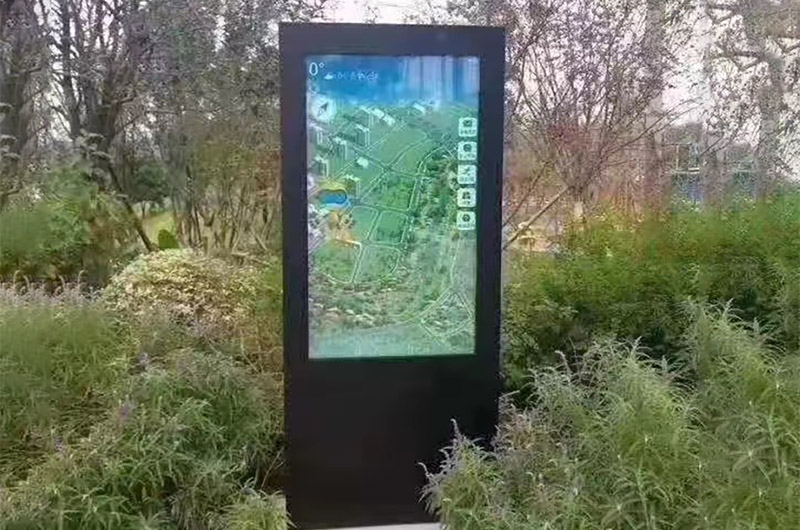
Third, advertising machines have a wide coverage. Whether in large shopping malls, hotel lobbies, restaurants, banks, hospitals, or community bulletin boards, advertising machines are ubiquitous, forming a pervasive communication network.
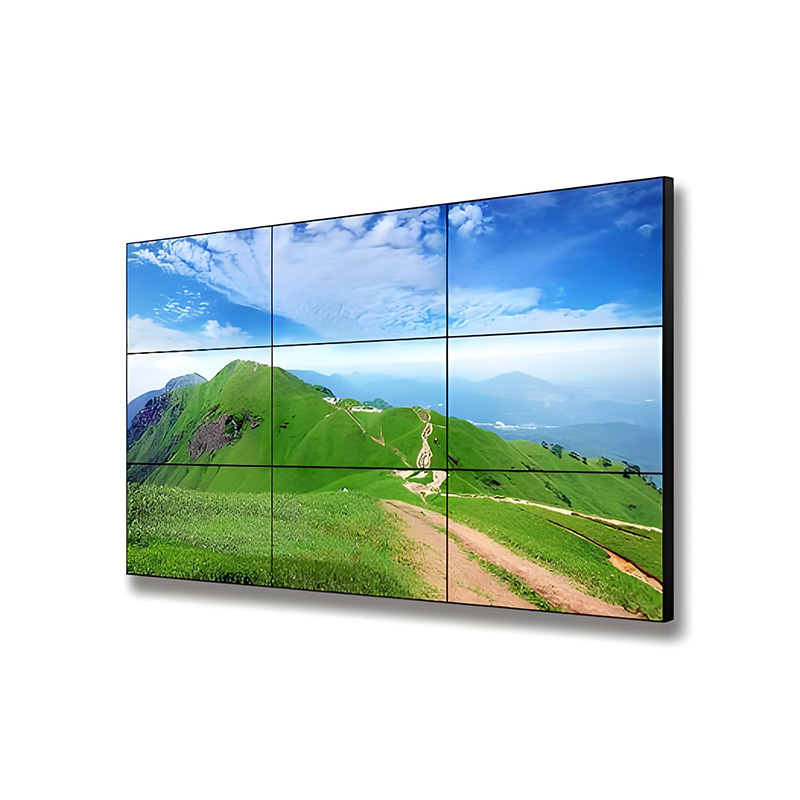
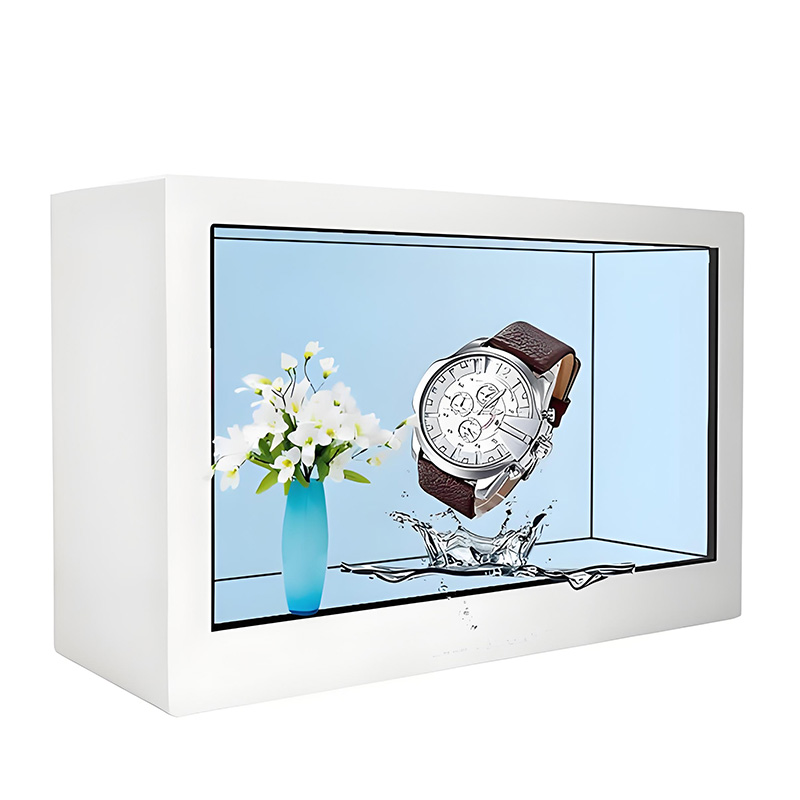
Fourth, advertising machines offer a superior visual experience. High-definition screens, 3D videos, and dynamic images deliver an immersive experience, making advertisements more attractive and establishing a technologically advanced image for brands.
Finally, advertising machines offer exceptional operational flexibility. Advertisers can run ads by day or by time slot, and can also integrate interactive technologies to implement diverse marketing campaigns such as surveys and QR code promotions.
The rapid popularization of advertising machines is precisely due to their advantages in “speed of dissemination, precise targeting, visual impact, and data-driven management.” In the future, with the further integration of AI and big data, advertising machines will become an important component of smart cities, bringing a more intelligent and efficient communication experience.