2024-08-07 15:06:24
LCD touchscreen all-in-one PCs are multifunctional smart devices widely used in various fields such as education, business, healthcare, and retail. Their core technology lies in the combination of touchscreen technology and LCD display technology. This article will delve into the manufacturing process of LCD touchscreen all-in-one PCs to better understand their manufacturing process and application areas.
Basic Components of LCD Touchscreen All-in-One PCs
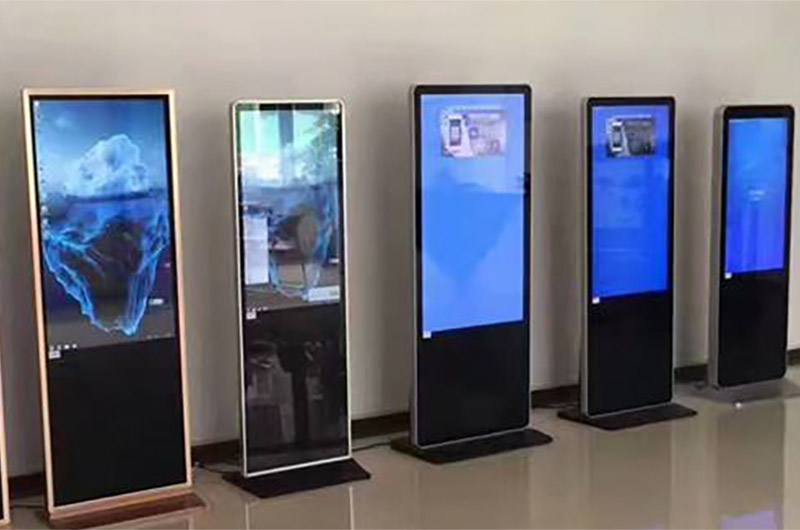
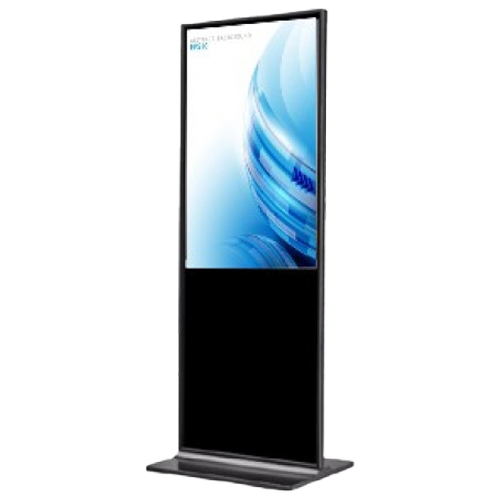
An LCD touchscreen all-in-one PC is a multifunctional integrated device that typically includes the following core components:
- LCD Display: This is the visual output part of the device, usually a high-resolution LCD screen capable of displaying images and videos.
- Touchscreen: The touchscreen is the primary means for users to interact with the device, allowing input based on touch or gestures.
- Main Unit: The main unit contains the device’s core processor, memory, and operating system, responsible for managing the device’s functions and performance.
- Housing and Stand: These parts provide the external structure and support for the device, making it more stable and easier to place.
Manufacturing Process
The manufacturing process of LCD touchscreen all-in-one PCs is a complex process involving several key steps:
- Design and Planning: The first step in the manufacturing process is design and planning. This includes determining the device’s specifications, dimensions, functions, and appearance design. Designers must consider user needs and market trends to ensure the final product meets customer expectations.
- Procurement and Supply Chain Management: Manufacturing all-in-one machines requires various raw materials and components, including LCD screens, touchscreens, and electronic components. Supply chain management is crucial to ensuring timely material supply.
- Production Assembly: Assembly is the core of the production process. This involves assembling the LCD screen, touchscreen, main unit, and other components to ensure they work together effectively.
- Testing and Quality Control: Each LCD touchscreen all-in-one machine requires rigorous testing and quality control. This includes testing the screen’s brightness and color accuracy, the touchscreen’s sensitivity, and the main unit’s performance.
- Software Development: Touchscreen all-in-one machines typically require custom software to meet the needs of different applications. This includes operating system customization, user interface design, and application development.
- Packaging and Logistics: After completion, the equipment needs to be packaged, and logistics arrangements need to be made to deliver the product to the point of sale or customer.
Market Applications and Prospects
LCD touch screen all-in-one machines have broad application prospects in various industries:
- Education: All-in-one machines are widely used in education for interactive teaching, online learning, and educational resource management.
- Business Meetings: In the business sector, LCD touch screen all-in-one machines are used for meeting presentations, collaboration, and data sharing.
- Healthcare: In the medical field, all-in-one machines can be used for medical record management, patient education, and diagnosis.
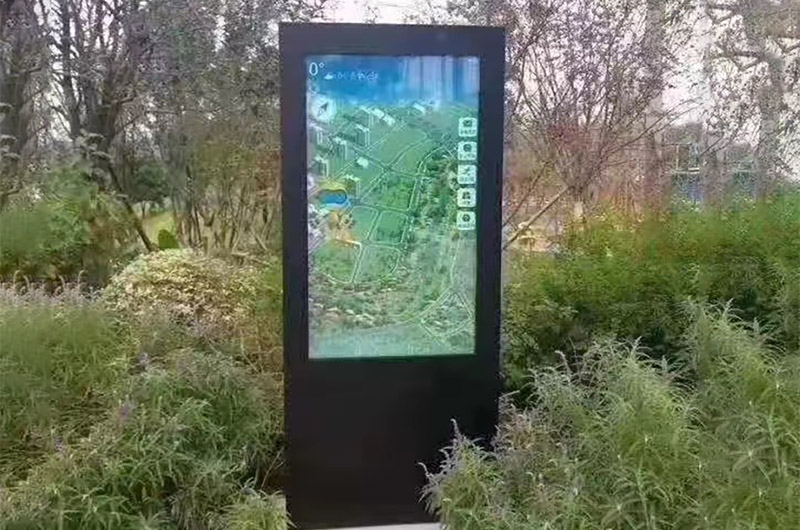
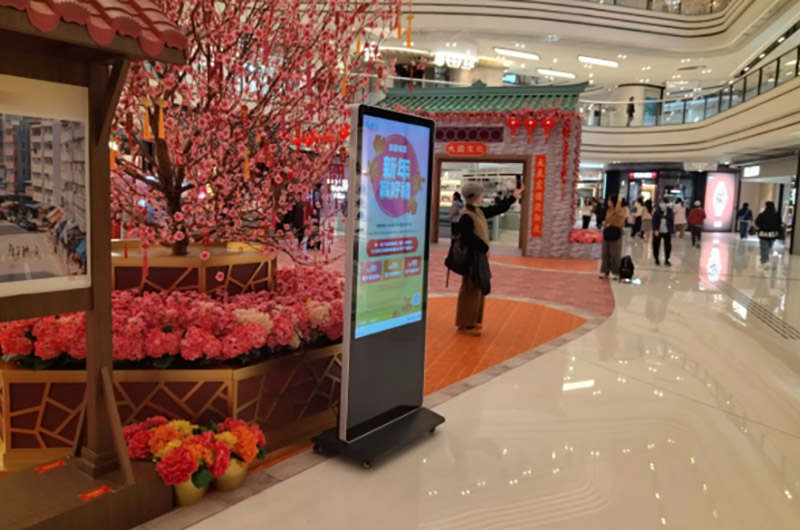
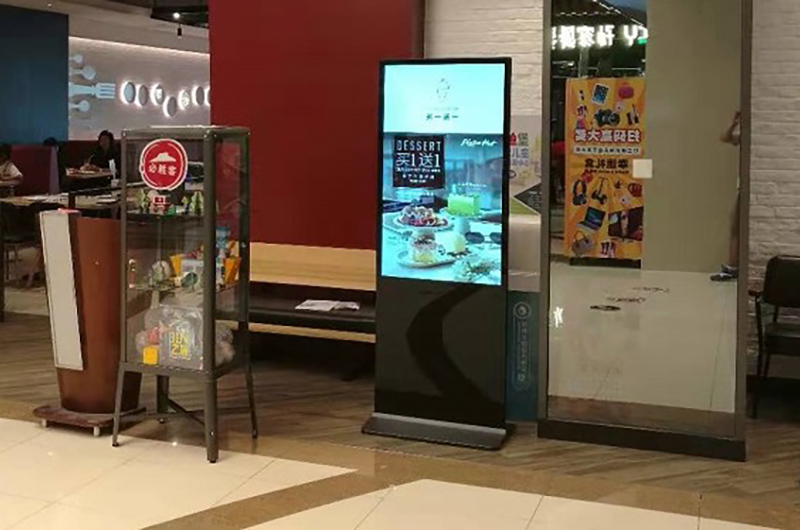
- Retail and Advertising: All-in-one machines are used for self-service at retail points, advertising displays, and interactive information.
- Entertainment and Media: All-in-one machines also find applications in the entertainment and media sectors, such as interactive billboards and entertainment devices.
LCD touch screen all-in-one machines are multifunctional devices whose manufacturing involves complex processes, including design, procurement, production assembly, testing, software development, and logistics. Due to their wide range of applications, LCD touch screen all-in-one machines have enormous market potential. With continuous technological advancements, this field will continue to create new opportunities and meet the demand for highly intelligent devices across various industries.

 author